
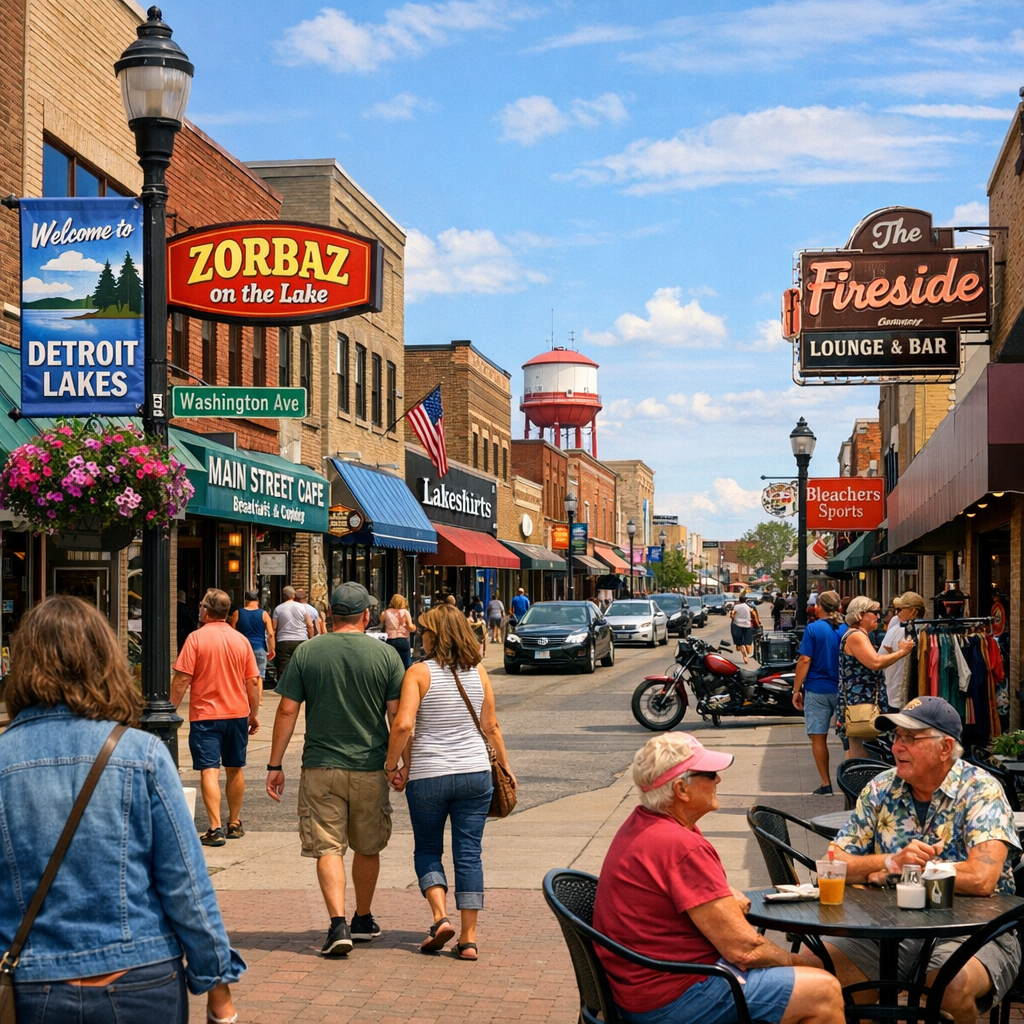
Detroit Lakes, Minnesota, is experiencing a dynamic economic landscape shaped by its diverse industries, community initiatives, and evolving employment trends. This article delves into the current state of local businesses, the job market, and the collaborative efforts propelling the city’s growth.
Economic Overview
As of 2026, Detroit Lakes boasts a population of approximately 10,002 residents. The city’s economy is anchored by key sectors such as health care, manufacturing, and retail trade. Notably, the health care and social assistance industry employs around 823 individuals, while manufacturing and retail trade sectors employ 662 and 610 people, respectively. These industries collectively contribute to the city’s economic stability and provide a range of employment opportunities for residents.
Employment Trends
The local job market reflects a blend of traditional and emerging occupations. Common roles include sales and related occupations, education instruction and library occupations, and management positions. Despite a slight decline in employment from 4,560 to 4,510 individuals between 2023 and 2024, the city’s unemployment rate remains relatively low at 4.9%, indicating a resilient labor market.
Community Initiatives and Business Development
Community-driven initiatives play a pivotal role in fostering economic development in Detroit Lakes. Project 412, a nonprofit organization, exemplifies this by supporting local businesses and entrepreneurs through funding, mentorship, and resources. Their efforts have led to the creation of vibrant murals and the establishment of new businesses, enhancing the city’s cultural and economic landscape.
Additionally, the city has witnessed the formation of local economic development partnerships aimed at improving support systems for startups. The establishment of dedicated economic development positions within the city and county underscores a commitment to attracting and sustaining businesses that enhance the community’s quality of life.
Challenges and Opportunities
While Detroit Lakes enjoys a robust economic environment, challenges such as workforce recruitment and retention persist. The city’s median household income stands at $62,958, with a poverty rate of 16.6%. Addressing these challenges requires continued collaboration between local government, businesses, and community organizations to create inclusive economic opportunities.
In conclusion, Detroit Lakes exemplifies a community-driven approach to economic growth. Through strategic initiatives, support for local businesses, and a focus on workforce development, the city is well-positioned to navigate the complexities of its economic landscape and foster a prosperous future for its residents.