The United States economy is currently experiencing a complex mix of challenges and developments that are impacting consumers nationwide.
Inflation and Energy Costs
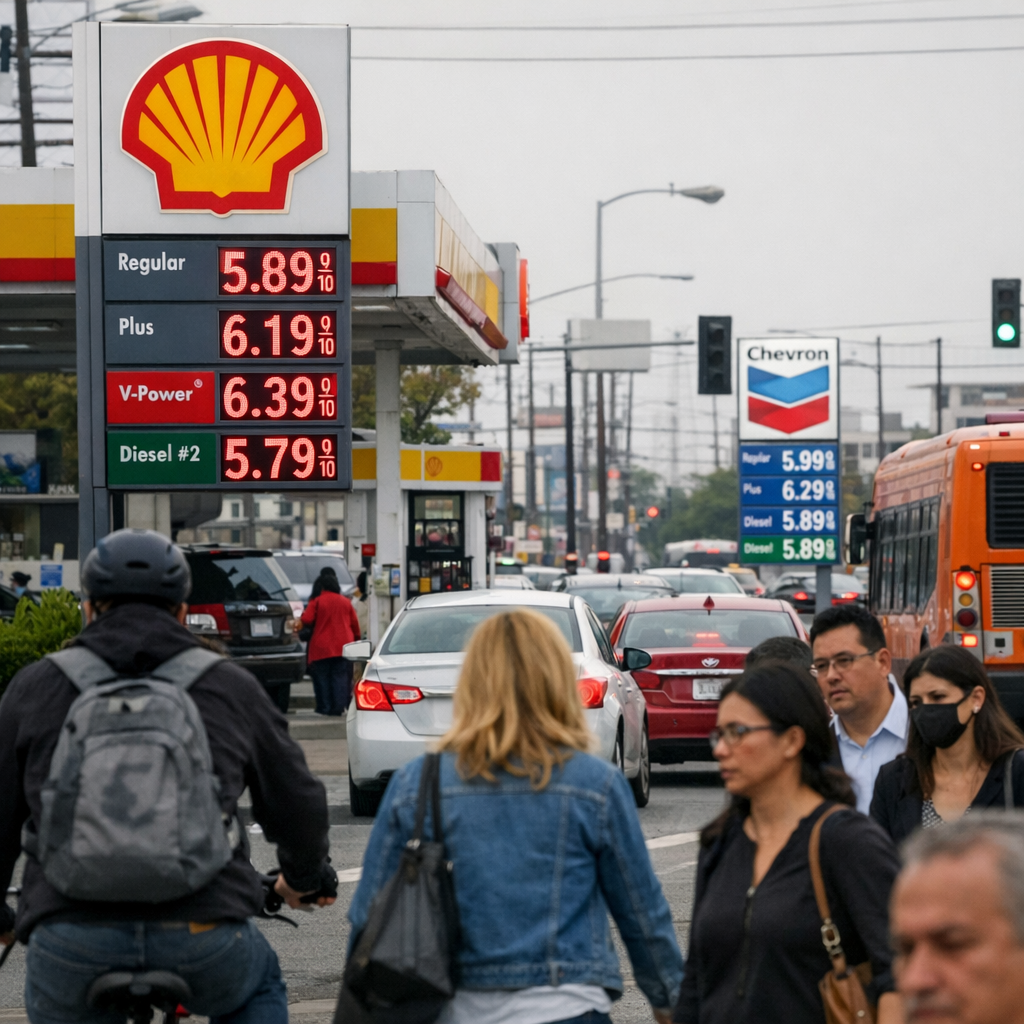
Inflation has risen to 3.8% in April, marking its highest level in three years. This increase is largely attributed to escalating energy costs following the military conflict with Iran, which began in February. The closure of the Strait of Hormuz has led to a surge in oil prices, causing the national average for gasoline to exceed $4.50 per gallon, with some states reporting prices above $5.
Employment Trends
Despite these inflationary pressures, the labor market has shown resilience. In April, U.S. employers added 115,000 jobs, indicating continued, albeit modest, growth. However, certain sectors are experiencing stagnation, and wage growth has not kept pace with rising living costs, leading to concerns about long-term economic stability.
Consumer Sentiment
Public confidence in the economy is waning. A recent CBS News/YouGov poll revealed that 70% of Americans feel “angry” or “frustrated” about the current economic situation. Additionally, a Gallup poll indicates that about one-third of Americans view politics and government as the nation’s most pressing issues, reflecting broader concerns about political stability and economic mobility.
Looking Ahead
As the 2026 midterm elections approach, economic issues are expected to play a pivotal role in shaping voter sentiment. Policymakers are under increasing pressure to address inflation, stabilize energy prices, and restore public confidence in the nation’s economic trajectory.